Home > Ganpati Temples > Shree Trinetra Ganesh Temple, Ranthambore Fort
Shree Trinetra Ganesh Temple, Ranthambore Fort
Sawai Madhopur, Rajasthan
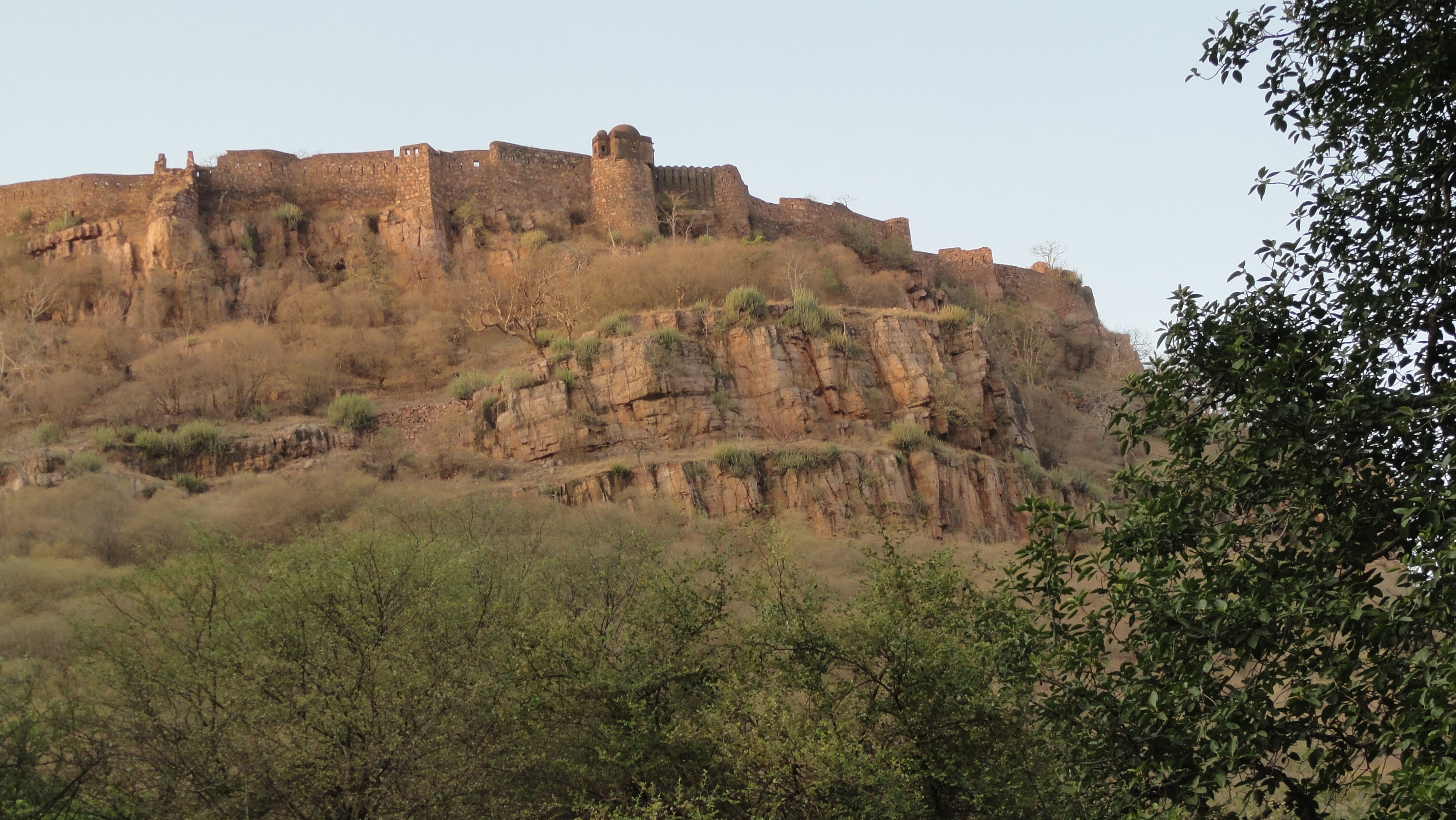
Trinetra Ganesh Temple is inside the historic Ranthambore Fort in Rajasthan. It is famous for its rare three eyed form of Ganesha and for the custom of sending the first wedding invitation card to this temple.
| Deity | Trinetra Ganesh, a rare three-eyed form, with Riddhi, Siddhi and sons Shubh and Labh |
| Location | Sawai Madhopur, Rajasthan |
| Built / Origin | Circa 1299 to 1300 CE, tradition credits King Hammir Dev of the Chauhan dynasty |
| Timings | Darshan generally from 6:00 AM to 8:00 PM, all seven days of the week. |
| Entry Fee | The temple itself has free darshan; note that Ranthambore Fort lies within the national park boundary, so separate park entry formalities may apply depending on route and current forest department rules. |
| VIP / Special Darshan | No separate paid VIP darshan is documented for the temple; access is more shaped by fort and park entry timings than by a temple queue system. |
| Nearest Airport | Jaipur International Airport, about 180 kilometres away, is the nearest major airport with wide connections; Kota is a nearer smaller airport option in some routings. |
| Nearest Railway Station | Sawai Madhopur railway station, about 10 to 13 kilometres from the fort, on a well connected broad-gauge line. |
About This Temple
This temple sits within Ranthambore Fort, which also lies at the heart of Ranthambore National Park, well known for its tiger reserve.

History and Puranic Background
The temple's origin is connected by local tradition to the Chauhan rulers who held Ranthambore Fort, believed to date back around a thousand years. The deity here is depicted with three eyes, a rare iconographic form of Ganesha, giving the temple its name Trinetra, meaning three eyed.
Suggested alt text: "Shree Trinetra Ganesh Temple, Ranthambore Fort Trinetra Ganesh sanctum inside the fort"
The custom that makes this temple widely known across India today began from a simple devotional belief, that since Lord Ganesha must be the first to be invited and honoured before any auspicious event, families across the country began the practice of sending their very first wedding invitation card by post directly to this temple, addressed to the deity, even before distributing cards to relatives. Temple staff read out these invitations before the deity as part of daily worship. This custom, though relatively recent in written record, reflects the same ancient Puranic principle followed at Ganesha shrines everywhere, that he is worshipped first, agrapuja, before any other deity or undertaking.
Since this fort shrine's exact history blends local tradition with fort history rather than a recorded Puranic chapter, it is presented here as a living devotional custom rather than a scriptural episode.
सुमुखश्चैकदन्तश्च कपिलो गजकर्णकः । लम्बोदरश्च विकटो विघ्ननाशो गणाधिपः ॥
हेरम्बश्च तथा स्कन्दपूर्वजो भालचन्द्रमाः । गजाननो द्वादशैतानि नामानि यः पठेत् शृणुयादपि ॥
Sumukhaschaikadantascha kapilo gajakarnakah, Lambodarascha vikato vighnanasho ganadhipah, Herambascha tatha skandapurvajo bhalachandramah, Gajanano dvadashaitani namani yah pathet shrunuyadapi.
Meaning: Sumukha, Ekadanta, Kapila, Gajakarnaka, Lambodara, Vikata, Vighnanasha, Ganadhipa, Heramba, Skandapurvaja, Bhalachandra and Gajanana - these are the twelve names. One who reads or hears them faces no obstacle in any work.
Source: A traditional twelve-name (Dwadashanama) Ganesha stotra used across India before starting any important task. It appears in Puranic worship tradition and in the Mahabharata's invocation verses.
Why Devotees Visit
Thousands of wedding cards arrive by post addressed to the temple every year from families across India and abroad, a custom unique to this shrine.


How to Reach
By Air: Jaipur International Airport, about 180 kilometres away, is the nearest major airport with wide connections; Kota is a nearer smaller airport option in some routings.
By Train: Sawai Madhopur railway station, about 10 to 13 kilometres from the fort, on a well connected broad-gauge line.
By Road: Regular buses and taxis run from Sawai Madhopur town to Ranthambore Fort; the temple sits inside the fort complex.
Pooja and Rituals
- Daily Aarti for the deity and his family idols together
- The well known custom of posting the first wedding invitation card of a family by mail to the temple, addressed to Lord Ganesha, before distributing any other cards
- Temple staff reading out received wedding invitations before the deity as part of the daily ritual
VIP Darshan
There is no dedicated VIP darshan counter for the temple; how quickly you get in depends more on fort and national park entry timings than on any temple queue system.
Travel Tips
- The temple lies inside the fort, which also requires entry formalities as it sits within the national park boundary, check current visiting rules before travel.
- Sawai Madhopur railway station is the nearest major station.
- Combine the visit with a wildlife safari in Ranthambore National Park if travelling as a family.
Live Darshan
There is currently no official 24x7 live darshan video stream available for Shree Trinetra Ganesh Temple. In the meantime, here is a darshan yatra guide video of the temple:
Frequently Asked Questions
What are the Trinetra Ganesh temple timings?
The temple is generally open for darshan from 6:00 AM to 8:00 PM every day of the week.
Why do people send wedding cards to Trinetra Ganesh temple?
Since Lord Ganesha is traditionally the first to be invited before any auspicious event, families across India send their first wedding invitation card by post to this temple, and temple staff read these out before the deity.
How do I reach Trinetra Ganesh temple from Sawai Madhopur?
Sawai Madhopur railway station is about 10 to 13 kilometres from Ranthambore Fort, from where taxis and local transport are available.
Do I need a national park permit to visit the temple?
Since the temple sits inside Ranthambore Fort within the national park boundary, it is worth checking current entry rules and timings with the forest department before travel.
Previous Temple: Shree Khajrana Ganesh Temple
Next Temple: Shree Moti Dungri Ganesh Temple
Back to Hub: Top 20 Ganpati Temples of India (Beyond Ashtavinayak)
Explore More Ganpati Temples of India
Continue exploring more sacred Ganpati shrines across India:
- Top 20 Ganpati Temples of India (Beyond Ashtavinayak): Complete Guide
- Siddhivinayak Temple, Mumbai: History & Darshan
- Dagdusheth Halwai Ganpati, Pune: 1893 Origins
- Ganpatipule: The West-Facing Swayambhu Ganesha
- Kasba Ganpati Temple, Pune: Maanacha Pahila & Gramadevata Since 1636
- Siddhivinayak Mahaganapati Temple, Titwala: Ganpati Temple for Marriage Blessings
- Trishunda Ganapati Temple, Pune: A Rare 3-Trunked Ganpati Shrine
- Kanipakam Ganpati Temple: Swayambhu Sri Varasiddhi Vinayaka Swamy Vari Devasthanam
- Ucchi Pillayar Temple, Rockfort Trichy: Ganpati Shrine on a Hilltop
- Karpaka Vinayakar Temple, Pillayarpatti: Ganpati Cave Shrine Since the Pandya Era
- Manakula Vinayagar Temple, Puducherry: Ganpati Shrine that Survived French Rule
- Anegudde Vinayaka Temple, Kumbhashi: A Ganpati Mukti Sthala
- Idagunji Mahaganapati Temple: A 1500-Year Ganpati Shrine, Honnavar
- Kadalekalu & Sasivekalu Ganesha, Hampi: Two Ganpati Monoliths
- Sree Mahaganapathy Temple, Kottarakkara: A Kerala Ganpati Shrine
- Pazhavangadi Ganapathy Temple: Trivandrum's Famous Ganpati Shrine
- Moti Dungri Ganesh Temple, Jaipur: The 1761 Royal Ganpati Shrine
- Dhundiraj Vinayak Temple, Kashi: Chief of the 56 Ganpati Shrines
- Chintaman Ganesh Temple, Ujjain: The Ganpati Shrine that Removes Worry
- Khajrana Ganesh Temple, Indore: The Buried & Reborn Ganpati Shrine